Winter Dry Fly Fishing on Colorado's South Platte River: A Cold-Weather Success Story
April 13, 2026
Most fly anglers pack away their dry flies once winter sets in. Below-freezing temperatures, icy guides, and numb fingers don't exactly scream "surface action." But sometimes the fish have other plans — and being ready to adapt can turn a tough winter outing into one of the most memorable days on the water.
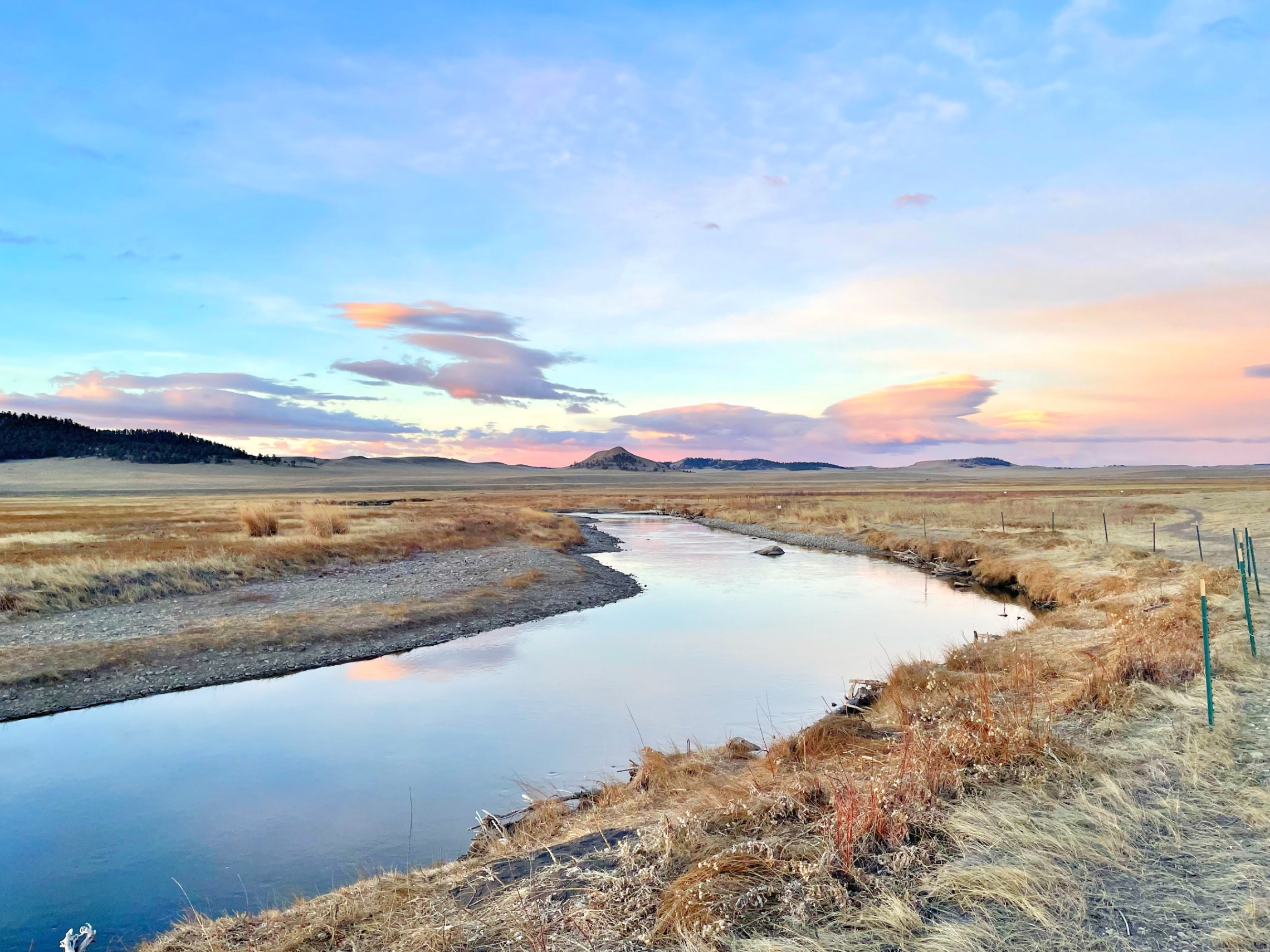
That's exactly what happened during a mid-February trip to an unfamiliar stretch of the South Platte River in Colorado. What started as a nymphing mission quickly evolved into a rewarding session fishing dries in conditions most people would consider impossible.
When the Plan Changes, Go With It
The original goal was simple: fish nymphs deep and target big trout. The South Platte is legendary for holding quality fish, and nymphing in winter is the textbook approach. But when you notice fish rising — even subtly — in frigid conditions, it pays to be flexible.
Switching to a double dry setup (also called a dry/emerger rig) proved to be the key. Instead of fighting to get the perfect drift down deep, presenting flies on or just below the surface film matched what the fish were actually eating.
The Double Dry (Dry/Emerger) Setup Explained
If you're unfamiliar with this rig, here's how it works:
Indicator fly: A larger, more visible dry fly serves as both a fish-catcher and a visual indicator. In this case, a size 16 Parachute Adams — a classic pattern with a white post that's easy to track on the water.
Point fly: A smaller emerger or dry fly is tied off the bend of the indicator fly on a short length of tippet. Here, the droppers were size 20-22 patterns — a green TS-2 and a black beauty, both proven South Platte producers.
This setup gives you the best of both worlds: the visibility of a larger dry fly with the subtlety of a tiny emerger trailing behind it. In winter, when midges are often the primary food source, those small trailing flies can be deadly.
Gear for Winter Dry Fly Fishing
You don't need specialized equipment to fish dries in cold weather. The setup used on this trip was straightforward:
Rod: 9ft 5wt Echo Carbon XL
Leader: 9ft 5x
A 5-weight rod offers enough sensitivity to present small dry flies delicately while still providing the backbone to handle decent fish. The 5x leader is a good all-around choice — light enough for wary winter trout but strong enough to land them confidently.
Tips for Winter Dry Fly Success
If you want to try fishing dries during the colder months, keep these pointers in mind:
Watch the water carefully. Winter rises can be incredibly subtle — just a tiny sip or a barely-visible ring. Polarized sunglasses and patience are essential.
Think small. Midges dominate winter hatches on most tailwaters. Carry patterns in sizes 20-24 and don't be afraid to go tiny.
Stay flexible. Start with your planned approach, but if you see surface activity, don't hesitate to switch. Adaptability is one of the most important skills in fly fishing.
Fish the warmest part of the day. Midge activity often picks up as temperatures rise, even slightly. Late morning through early afternoon tends to be the sweet spot.
Treat your guides. Apply a silicone-based line dressing or a DIY solution to keep your guides from freezing shut. It makes a huge difference on below-freezing days.
Embrace the Cold
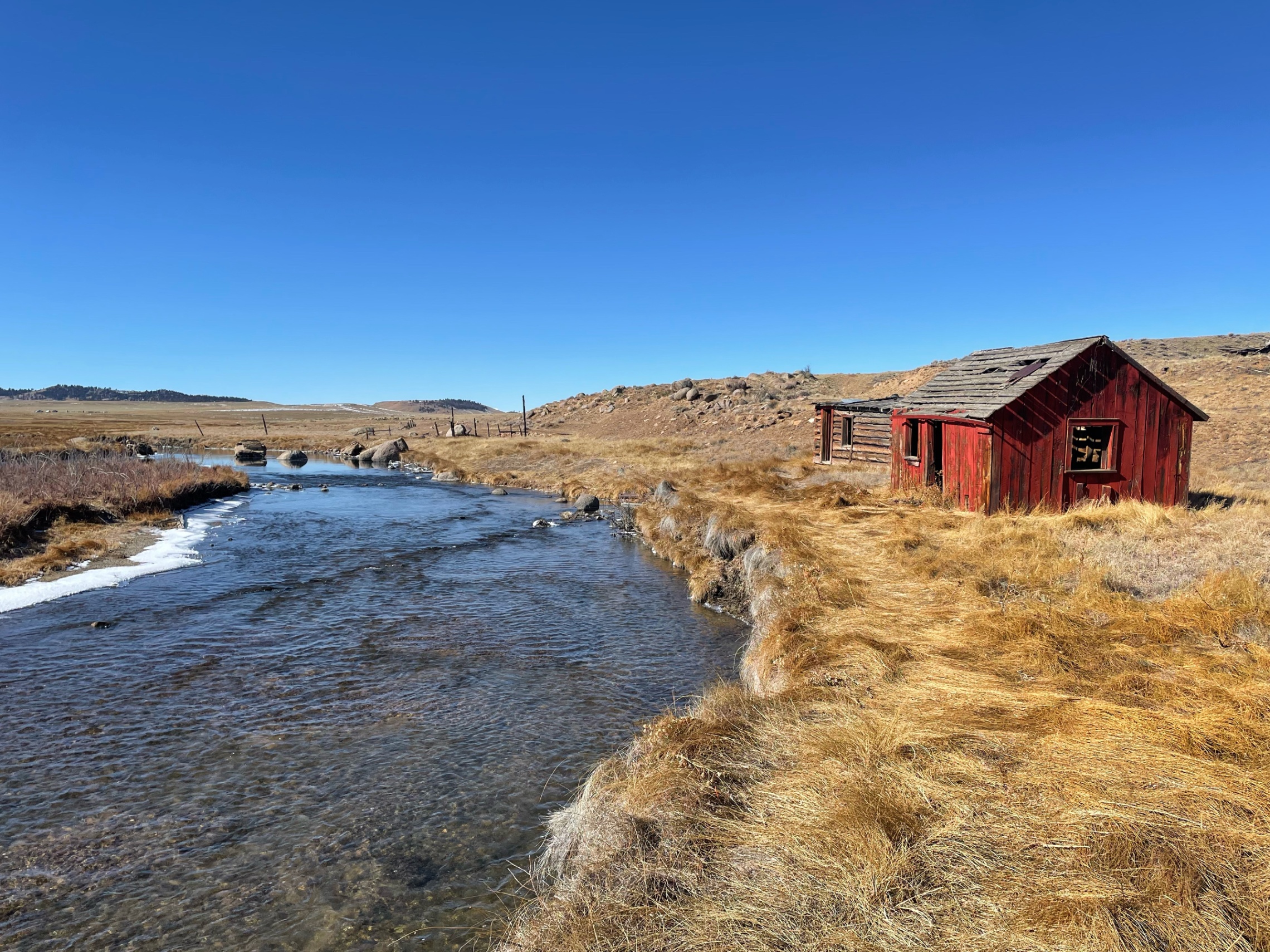
Winter fly fishing isn't always comfortable. Below-freezing mornings, wind, and frozen fingers are part of the deal. But the reward is often uncrowded water and trout that are actively feeding on predictable hatches. And there's something deeply satisfying about catching fish on dry flies when the rest of the world assumes it's impossible.
Want to see how this winter session on the South Platte actually played out? Watch the full video to see the double dry rig in action, the fish that came to the surface, and proof that dry fly fishing doesn't have to end when the temperatures drop.
Resources & Links
Some links may be affiliate links. Purchasing through them supports this channel at no extra cost to you.