Tenkara Dry Dropper Fishing Beaver Dams: Scouting a New Colorado Creek
May 26, 2026
Beaver dams create some of the most productive and underappreciated trout habitat you'll find on small Colorado creeks. When you stumble onto a stretch packed with dam after dam — a true beaver dam metropolis — the fishing potential is enormous. The key is matching your technique to the water, and that's where a tenkara dry dropper setup really shines.
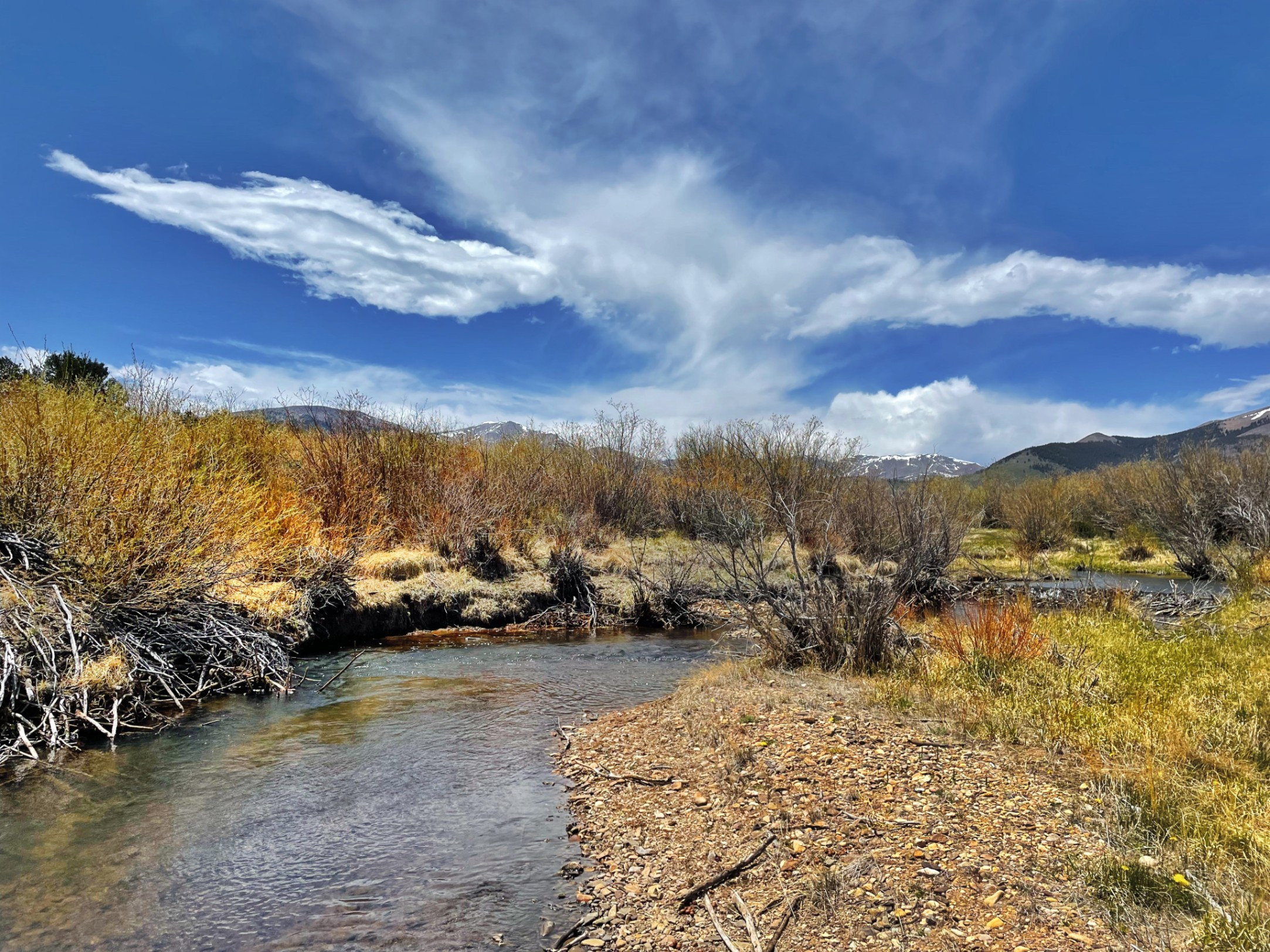
Why Beaver Dams Are Goldmines for Tenkara
Beaver dams transform fast-moving, shallow creeks into a series of deep pools, slack water, and complex current seams. For trout, this means:
Deeper holding water where fish feel safe
Slower currents that let trout feed without burning energy
Structure everywhere — submerged logs, root wads, and dam faces that harbor insects and provide cover
For tenkara anglers, beaver dam pools are ideal. The pools are typically compact enough to cover with a fixed-line setup, and the overhead canopy is often open enough (thanks to beaver activity) to allow clean casting. You don't need long drifts or heavy weight — just precise placement and the right presentation.
Why Dry Dropper Works So Well Here
A dry dropper rig gives you the best of both worlds: a visible dry fly on the surface acting as both a strike indicator and a potential meal, with a subsurface nymph hanging below to tempt fish feeding deeper in the water column.
In beaver dam pools, this setup is particularly effective because:
Fish hold at varying depths — some sip off the surface near dam overflows while others sit deep in the pool
The calm water makes dry fly detection easy — you can see subtle takes on the surface fly
You can systematically work each pool — cast to the dam face, the tail-out, the edges, and the middle without re-rigging
Tips for Fishing Beaver Dam Stretches with Tenkara
Approach quietly. Beaver ponds are often shallow at the edges and crystal clear. Trout in these pools spook easily. Stay low, move slowly, and try to cast from a position where you're not silhouetted against the sky.
Start at the tail of each pool. Work your way upstream so you're not wading through water that holds fish. Pick apart the lower end of the pool before moving to the deeper water near the dam face.
Adjust your dropper length. In shallower tail-outs, a shorter dropper (12–18 inches) keeps you from snagging the bottom. In the deeper pools right against the dam, lengthen it to get your nymph into the strike zone.
Use a zoom rod if you have one. A rod like the Dragontail Mizuchi ZX340 with zoom capability lets you extend or shorten your reach depending on pool size. This kind of versatility is hugely valuable when every pool is a slightly different shape and distance.
Don't skip the small pockets. In a beaver dam metropolis, there are often tiny side channels, overflow areas, and micro-pools between the main dams. These overlooked spots can hold surprisingly nice fish.
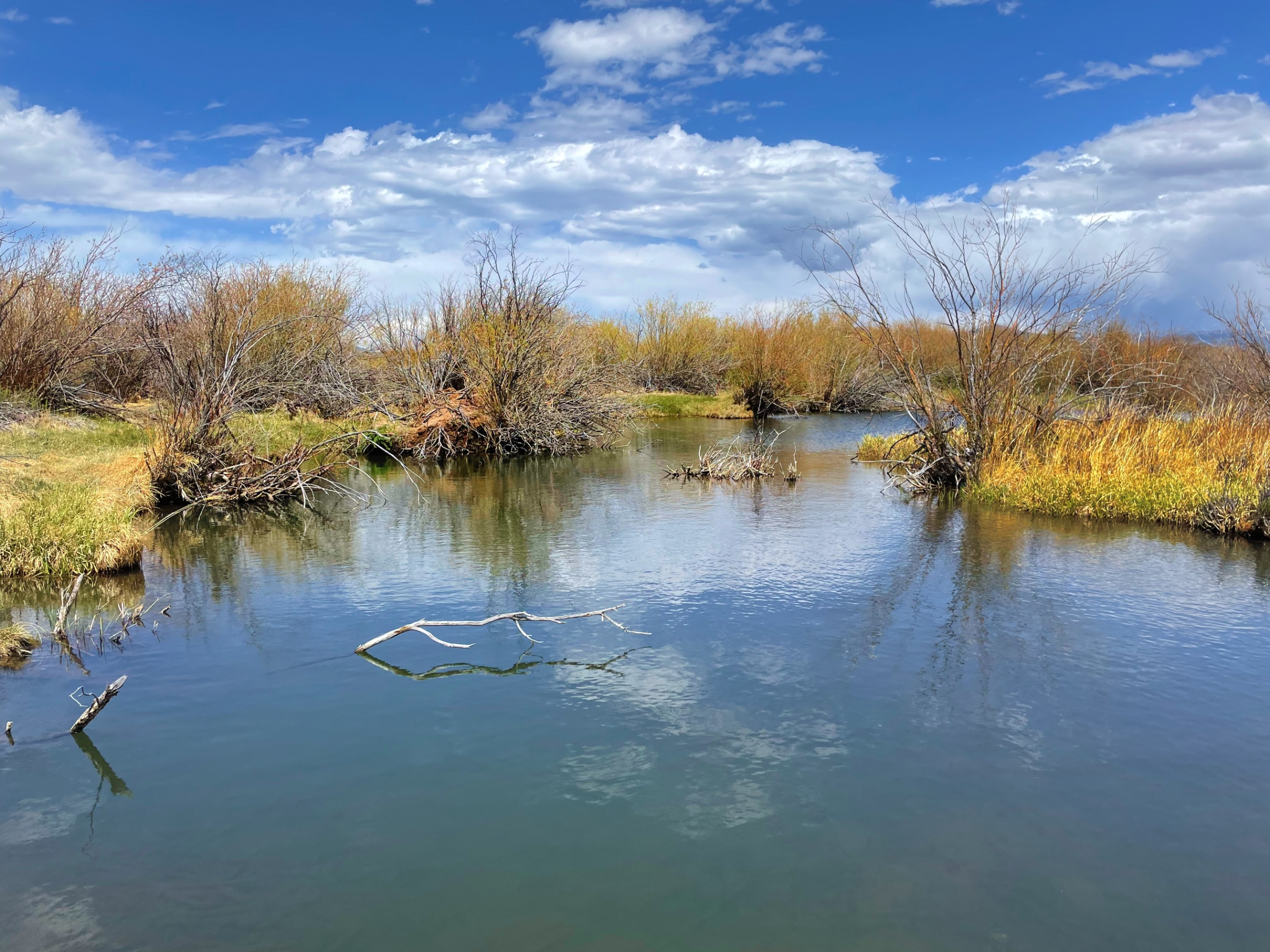
Scouting New Water Efficiently
When you only have an hour to explore a new creek, the dry dropper approach lets you cover water quickly without constantly changing rigs. You get immediate feedback — if fish are up top, you'll see takes on the dry. If they're down deep, the dropper does the work. It's the ultimate scouting rig because it answers questions about what fish are present and what they're eating in a fraction of the time.
Keep a mental or written log of what you find. Note which pools held fish, what flies drew strikes, and how the fish were positioned. That intel makes your next trip exponentially more productive.
Watch the Full Session
Want to see the beaver dam metropolis in action and how the dry dropper rig performed pool by pool? Check out the full video from z is on the river to see the scouting trip unfold on this new Colorado creek — and pick up some ideas for your own beaver dam adventures.