First Dry Flies of Spring: Early Season Tenkara on a Colorado Creek
April 29, 2026
When Spring Comes Early, So Do the Dry Flies
There's something electric about that first dry fly take of the season — a trout erupting through the surface like it's been waiting all winter just to remind you why you fish. Late March in Colorado is typically too early to even think about roaming a creek with a single dry fly, but an unusually warm and dry month changed the playbook entirely.
With temperatures pushing past 65°F and runoff still on the horizon, the conditions were ripe for an early-season session on a local creek. Here's how the day unfolded and what you can learn from it for your own spring tenkara outings.
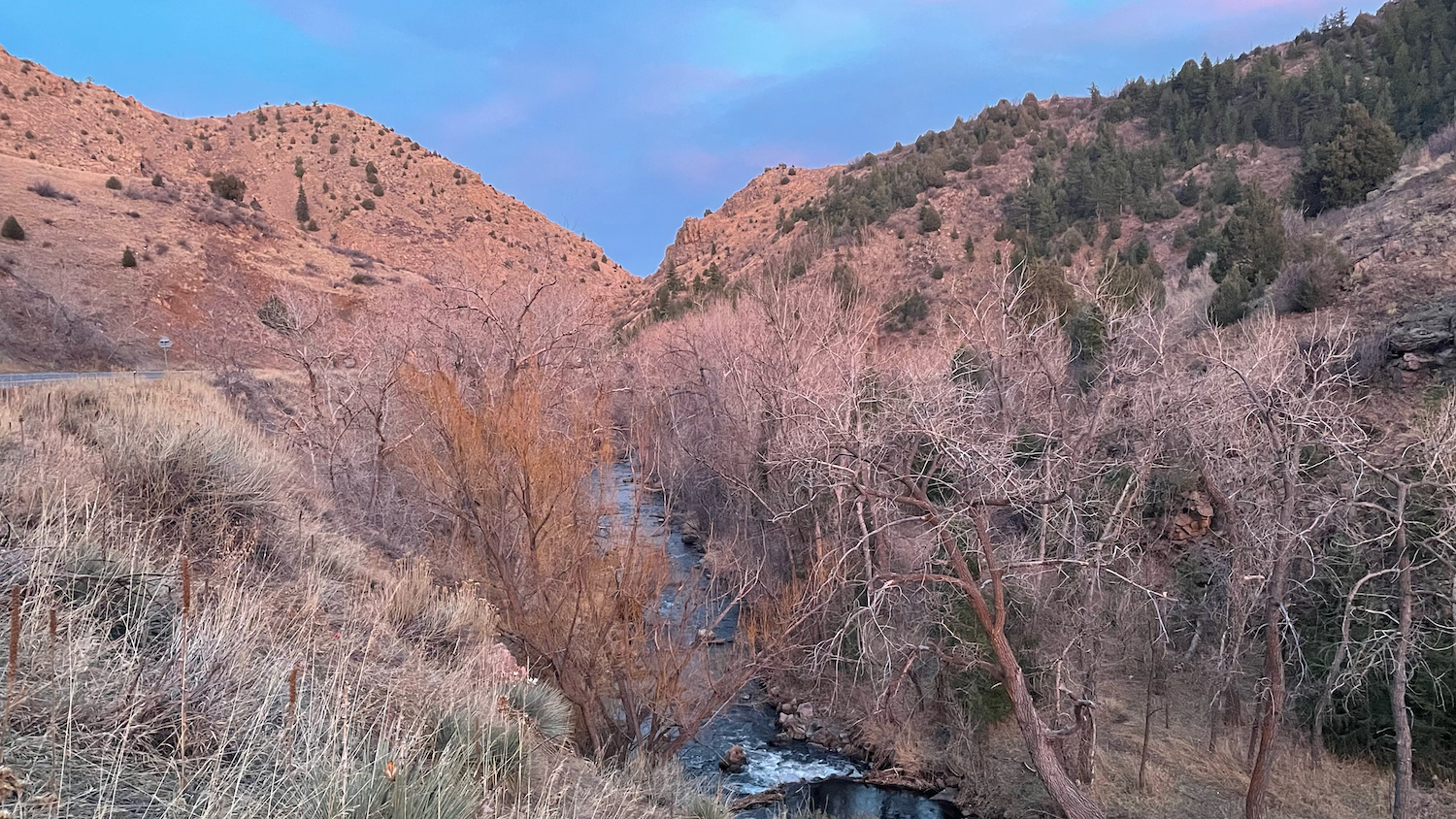
The Setup: Dry Dropper to Start, Dry Fly to Finish
The plan was straightforward — start with a dry dropper rig to cover multiple levels of the water column, then switch to a dedicated dry fly if surface activity picked up. Here's what the setup looked like:
Rod: DRAGONtail Mizuchi ZX340 Zoom Tenkara Rod
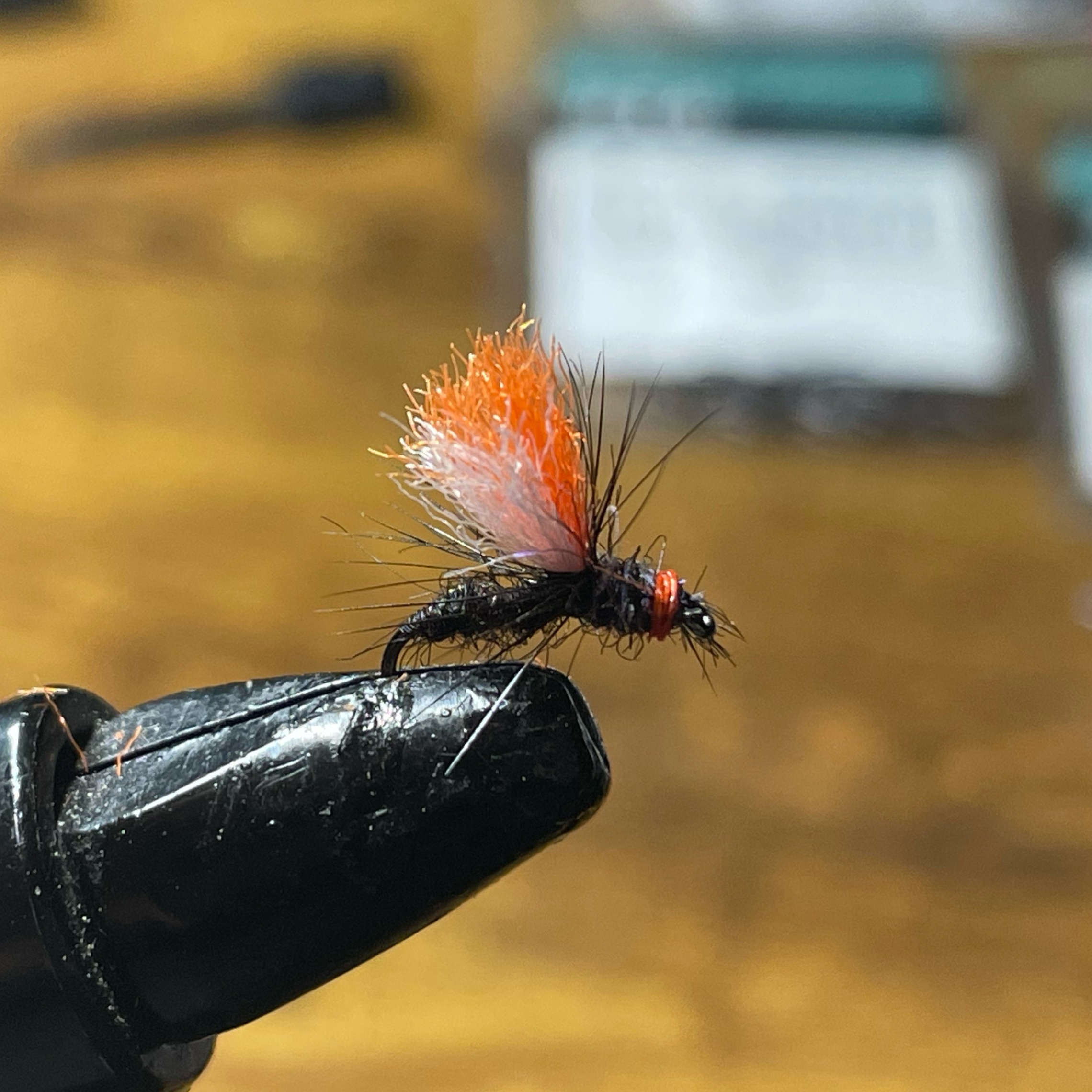
Dry fly: Size 18 high-visibility parachute bug
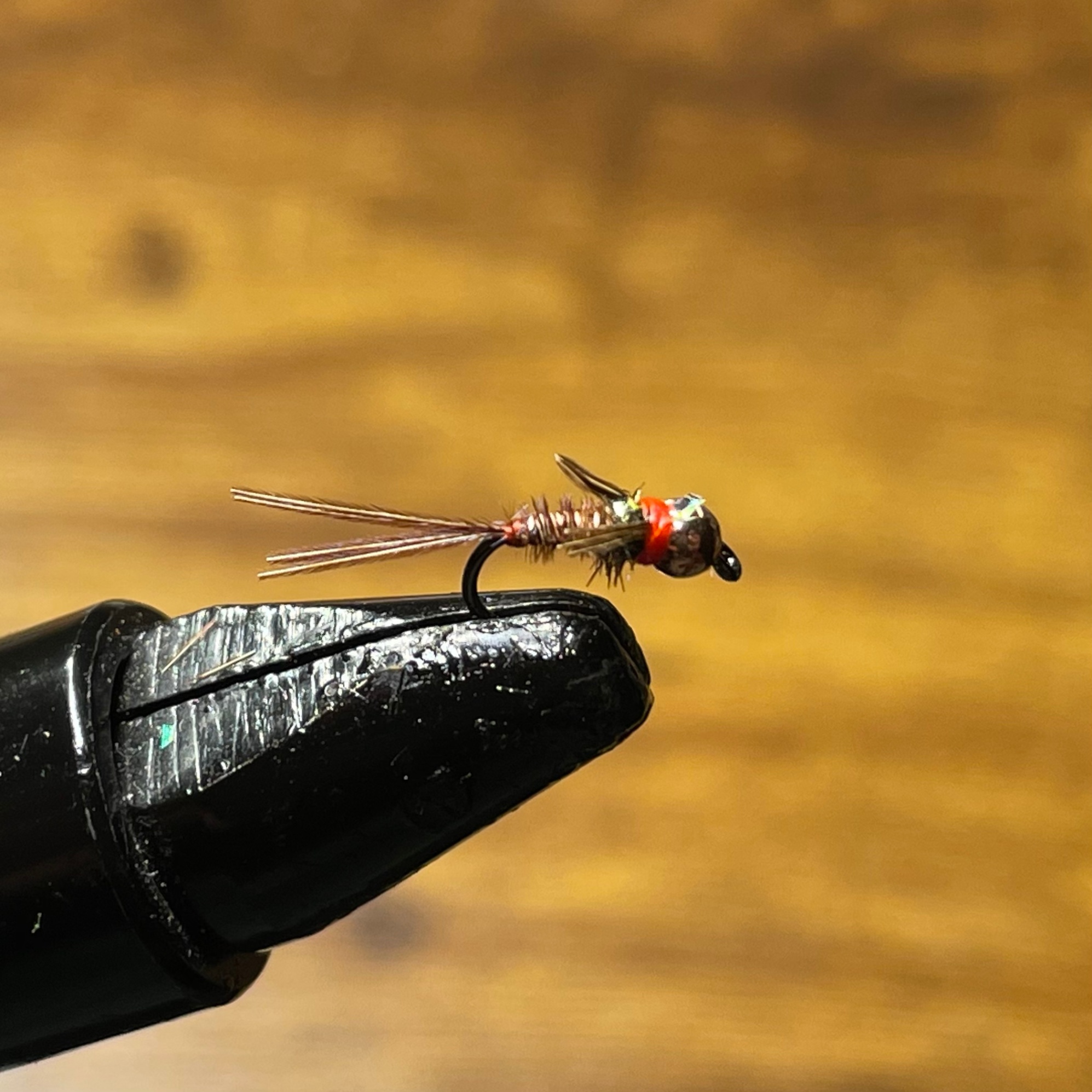
Dropper: Size 18 pheasant tail with a hotspot
The parachute bug served double duty — acting as both an indicator for the subsurface nymph and a legitimate target for surface-feeding trout. The pheasant tail with a hotspot is a classic early-season producer, imitating the small mayfly nymphs that are active as water temperatures start to climb.
Losing the Dropper (And Why That Was a Good Thing)
Sometimes the creek makes decisions for you. After hooking the first fish of the spring on the dry dropper setup, a backcast snag on an overhead tree claimed the pheasant tail dropper. Rather than re-rig, the call was made to just fish the dry fly solo.
And it worked. The surface activity was there, and the trout were willing. The payoff? A dramatic surface take — a fish that "came out like a dolphin" — the kind of explosive eat that makes dry fly fishing addictive.
Practical Takeaways for Early Spring Tenkara
If you're looking to get out early this spring, here are some lessons worth keeping in mind:
Watch the weather, not the calendar. A warm, dry stretch in late March can create conditions you'd normally expect in May. If daytime temps are consistently above 60°F, it's worth trying dries.
Start with a dry dropper. It hedges your bets. You can prospect the surface and subsurface simultaneously, then commit to one approach as the day reveals what the fish want.
Downsize your flies. Size 18 patterns matched the early-season insect activity perfectly. Early spring hatches tend to be small — think midges and blue-winged olives.
Use high-visibility dry flies. A parachute pattern with a bright post makes it easier to track your fly in the riffles and choppy water of a freestone creek.
Don't fight snags — adapt. Losing a dropper isn't the end of the world. Sometimes simplifying your rig is exactly what the situation calls for.
Fish before runoff. Once snowmelt hits, many Colorado creeks become unfishable for weeks. That narrow window between winter and runoff is prime time.
The Magic of Tenkara in Tight Water
Tenkara shines in exactly these conditions — small creeks, precise presentations, and minimal gear. The DRAGONtail Mizuchi's zoom capability allows you to adjust your reach for different runs and pools without changing your line, which is a huge advantage when you're moving quickly through pocket water.
There's no reel to manage, no complicated rigging to fuss with. Just a rod, a line, and a fly. When a trout explodes on a size 18 dry in late March, the simplicity of the setup makes the moment even sweeter.
Want to see that explosive surface take for yourself? Watch the full video to experience the first dry flies of spring on a Colorado creek — and get a feel for the setup, the water, and the fish that made it all worth it.
