Dry Fly Tenkara on Crystal-Clear Spring Creek: Stealth Tips for Sunny Days
May 20, 2026
Crystal-clear water, bright sunshine, and spooky trout — it's either a nightmare scenario or the ultimate dry fly challenge. For tenkara anglers willing to slow down and dial in their approach, tiny spring creeks offer some of the most rewarding fishing you'll find anywhere in Colorado.
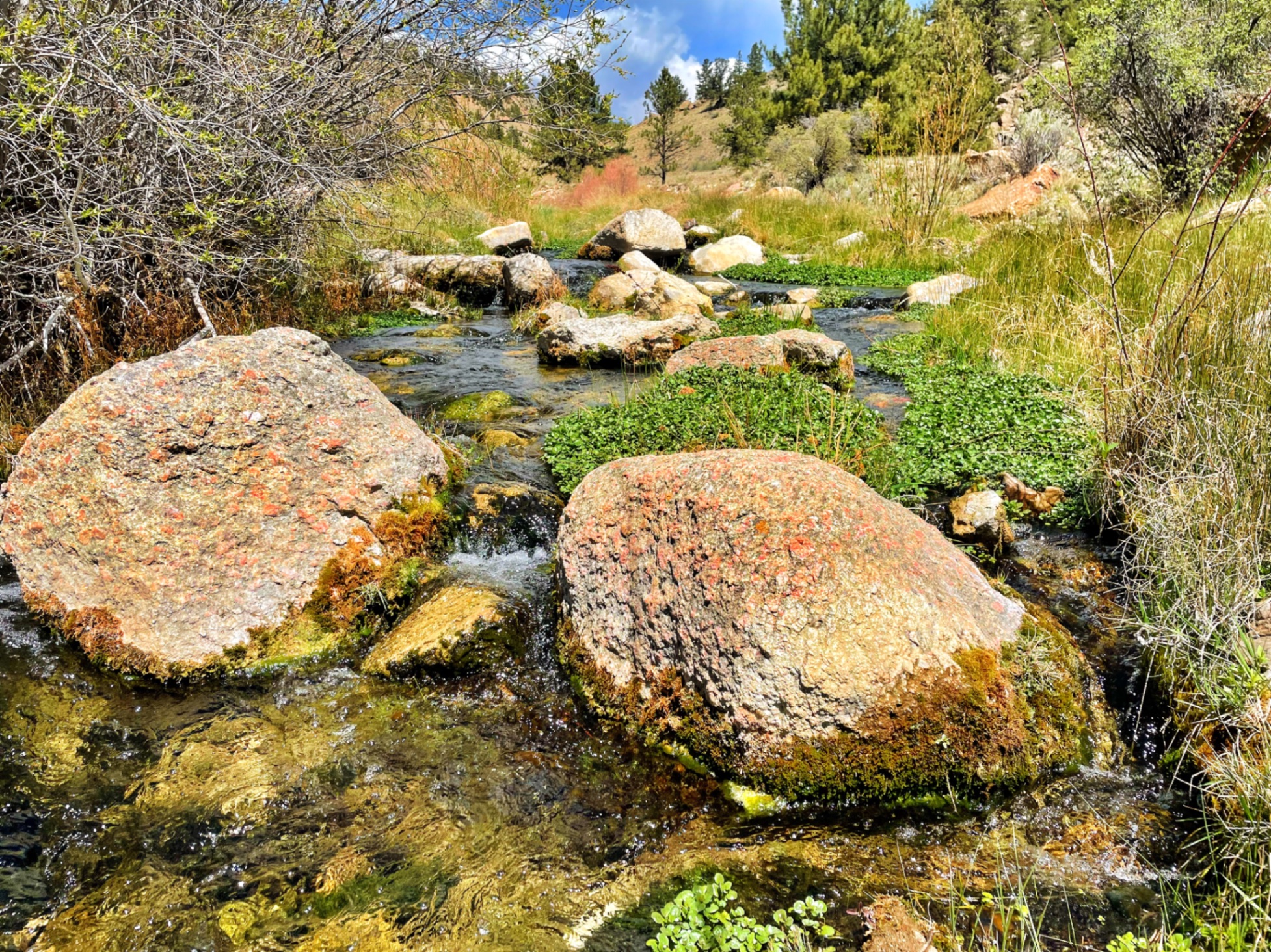
On a recent mid-May outing, I revisited one of my favorite small spring creeks. These gin-clear waters demand precision and patience, but when everything comes together, the surface takes are absolutely electric.
The Setup: Keep It Simple, Keep It Stealthy
For this session, I kept the gear minimal and purposeful:
Rod: Dragontail Mizuchi ZX340 Zoom Tenkara Rod — a versatile rod with great reach for staying back from the bank
Fly: A single small high-visibility parachute dry fly with purple thread, similar to a "Purple Haze" pattern
Line: A standard tenkara line setup to match the rod length
The parachute style fly was chosen for two reasons: the orange post makes it easy to track on the water, and the purple thread body gives it a slightly different look than a standard Adams pattern. On pressured spring creek fish, that subtle difference can matter.
Why Spring Creeks Demand a Different Approach
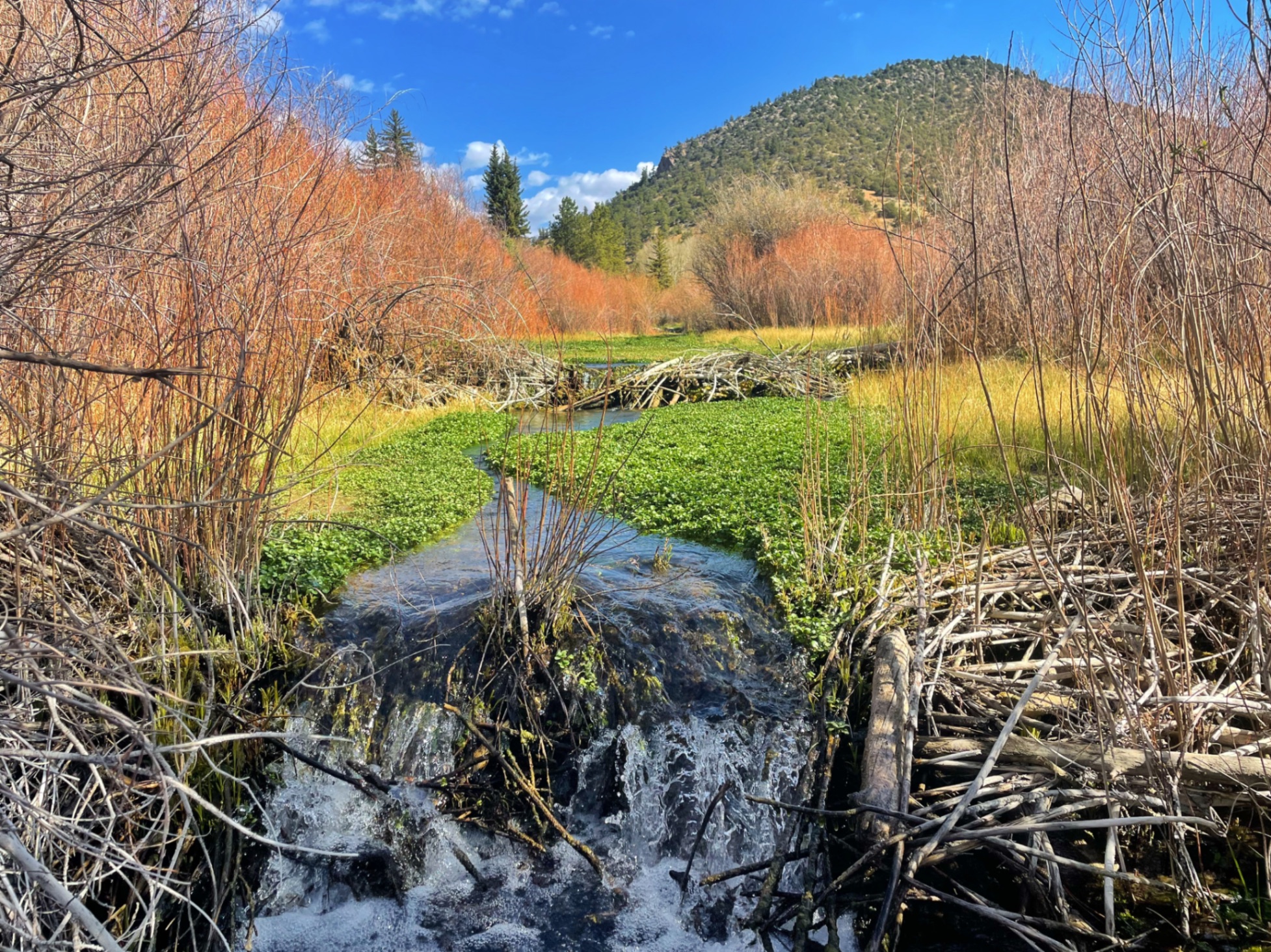
Small spring creeks are a completely different game from freestone rivers. Here's what makes them so challenging — and so rewarding:
Crystal-clear water means fish can see you as easily as you can see them. Every shadow, every footfall on the bank registers.
Bright sunny days amplify this problem. Your silhouette becomes a neon warning sign to trout.
Small water means shorter casts but tighter accuracy requirements. You're often threading a fly into pockets the size of a dinner plate.
This is honestly where tenkara shines. The long rod lets you stay well back from the bank while still placing your fly with pinpoint accuracy. There's no false casting to spook fish, and the direct line connection gives you excellent drift control.
Practical Tips for Fishing Tiny Clear Creeks
If you want to try this kind of fishing yourself, here are some key takeaways:
Stay low, stay back. Approach every pool on your knees if necessary. The extra distance a zoom rod provides is invaluable here.
Use a single fly. On small water, a simple one-fly approach reduces tangles and keeps your presentation clean.
Choose high-vis patterns. A parachute post you can actually see makes all the difference when your fly is drifting through dappled light and shadow.
Don't be afraid to experiment with color. A purple-thread body instead of standard gray can trigger strikes from fish that have seen every Adams pattern drifted over them.
Fish upstream. Trout face into the current, so approaching from downstream keeps you in their blind spot.
Slow down. On spring creeks, the angler who takes five minutes to read a pool before casting will almost always outfish the one who rushes in.
Why This Kind of Fishing Is Worth the Effort
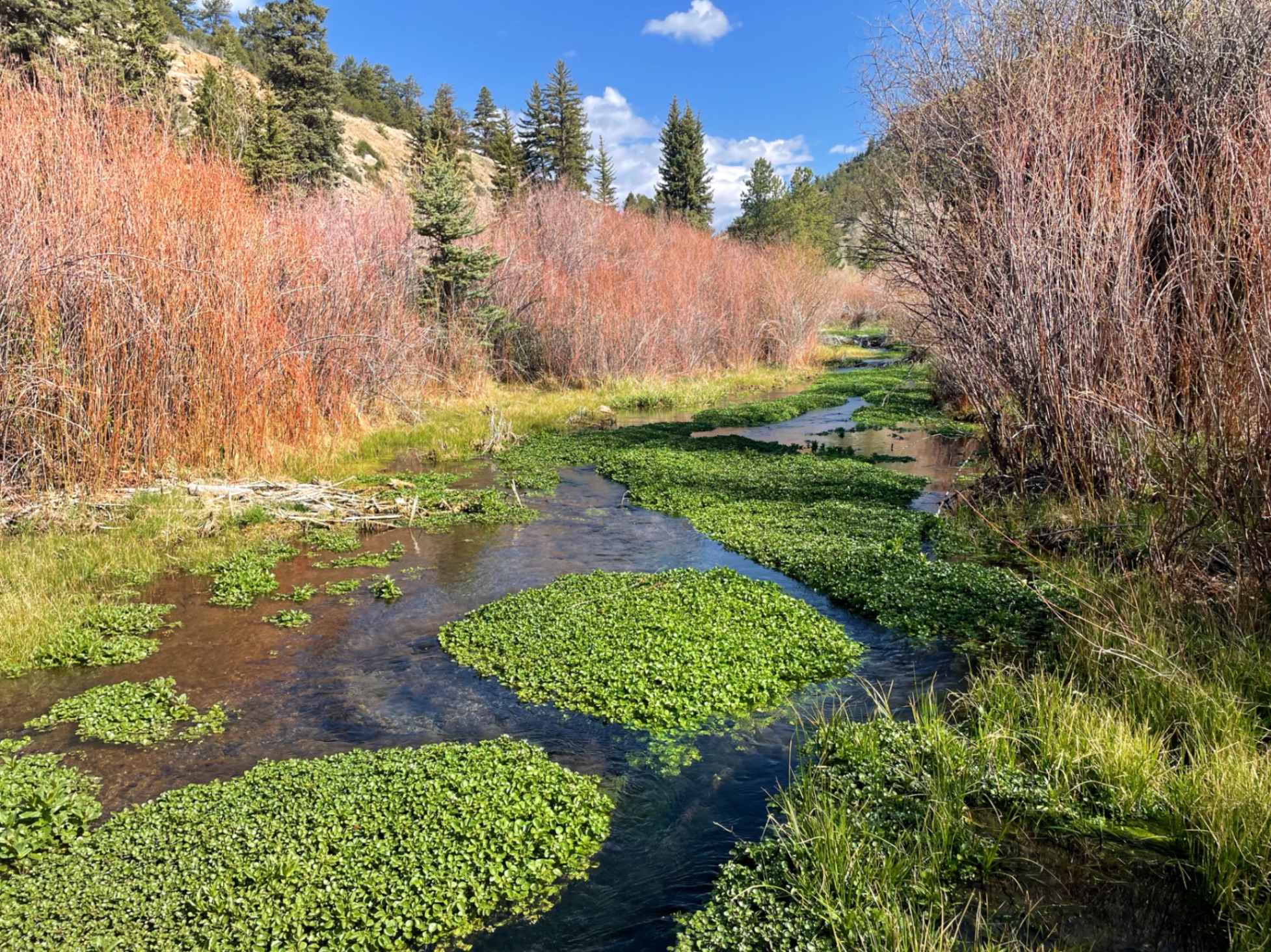
There's something deeply satisfying about fooling a wild trout on a dry fly in water so clear you can count the pebbles on the bottom. Every fish earned on a spring creek feels like a genuine accomplishment. The takes are visual, the fish are beautiful, and the intimate scale of the water makes you feel like you've discovered a secret world.
Colorado's small spring creeks don't get the press that the big-name tailwaters do, but for tenkara anglers, they might just be the perfect proving ground.
Want to see the full session play out — the takes, the misses, and the crystal-clear underwater shots? Watch the full video on the z is on the river YouTube channel and see why these tiny creeks keep pulling me back.