Dry Fly Tenkara Fishing for Native Colorado Cutthroat Trout
Some fishing trips aren't about numbers. They're about returning to a place that calls you back year after year — a place where native cutthroat trout still rise to a well-presented dry fly, and where the simplicity of tenkara feels like the only honest way to fish.
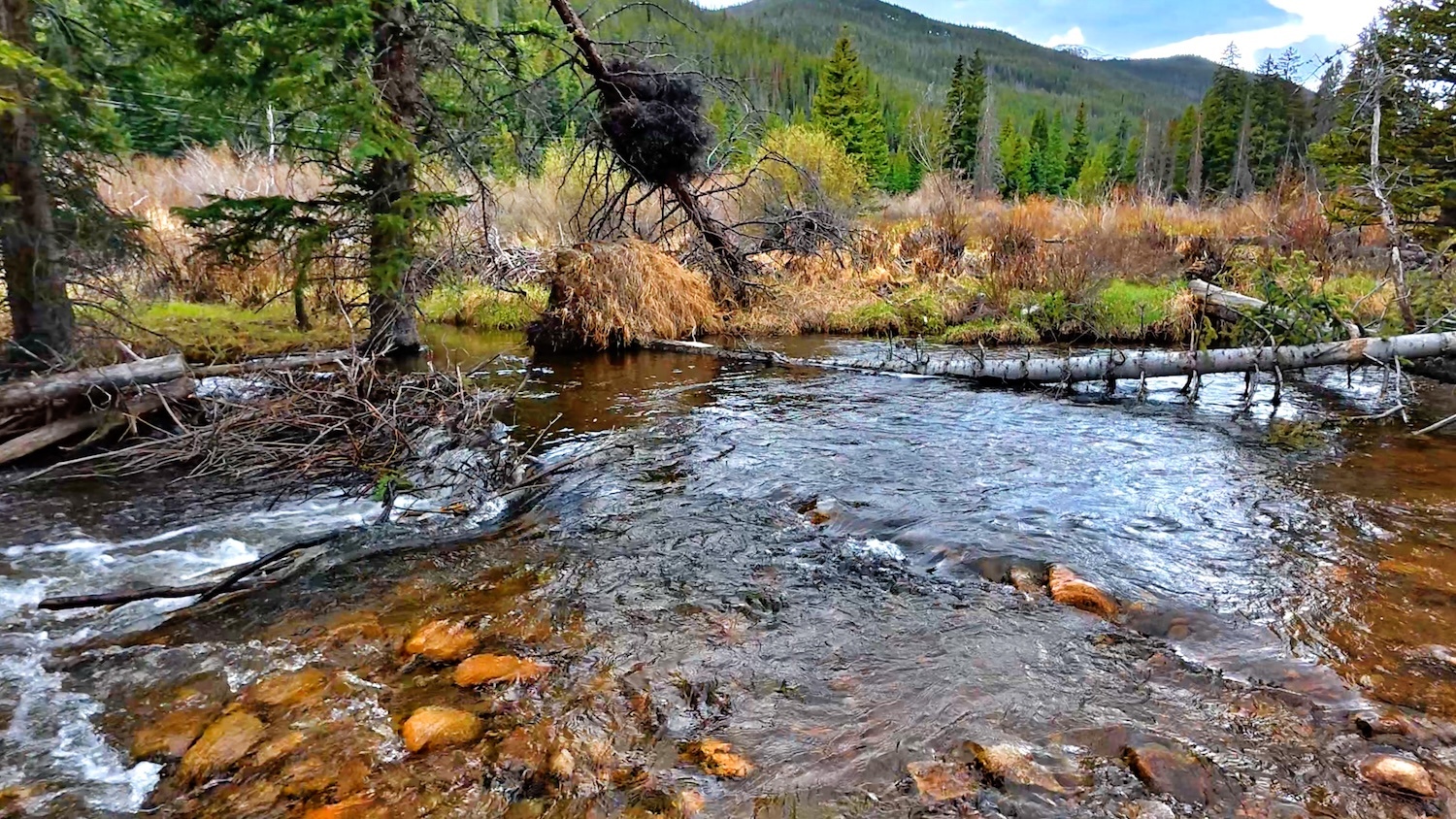
This mid-May outing to a cherished Colorado stream was exactly that kind of trip. Armed with a tenkara rod and a single dry fly pattern, the goal was straightforward: present a fly to native cutthroat trout and enjoy whatever the river offered.
Why Tenkara and Dry Flies Are a Perfect Match
Tenkara fishing strips fly fishing down to its essentials — no reel, no complicated rigging, just a rod, a line, and a fly. When you pair that minimalist approach with dry fly fishing, you get an incredibly intimate experience with the water.
Here's why this combination works so well for small-stream cutthroat fishing:
Precise presentation — Tenkara's fixed line allows you to place a dry fly delicately on tight, technical water where cutthroat often hold.
Minimal gear, maximum mobility — Small mountain streams require hiking, scrambling, and moving quickly between pools. A single tenkara rod and a few flies are all you need.
Drag-free drifts — By keeping most of the line off the water, tenkara makes it easier to achieve the natural drift that wary native trout demand.
Single-fly simplicity — Committing to one dry fly pattern forces you to focus on presentation over fly selection, which is often the real key to success.
Targeting Native Colorado Cutthroat Trout
Native cutthroat trout are a treasure of Colorado's high-country streams. These fish aren't typically large, but what they lack in size they more than make up for in beauty and the wildness of their habitat.
A few things to keep in mind when pursuing native cutthroat:
Approach carefully — These fish live in clear, shallow water. Heavy footsteps and shadows will send them into hiding before you ever make a cast.
Go light on tippet — Native cutthroat in small streams aren't leader-shy in the traditional sense, but lighter tippet helps your dry fly land softly and drift naturally.
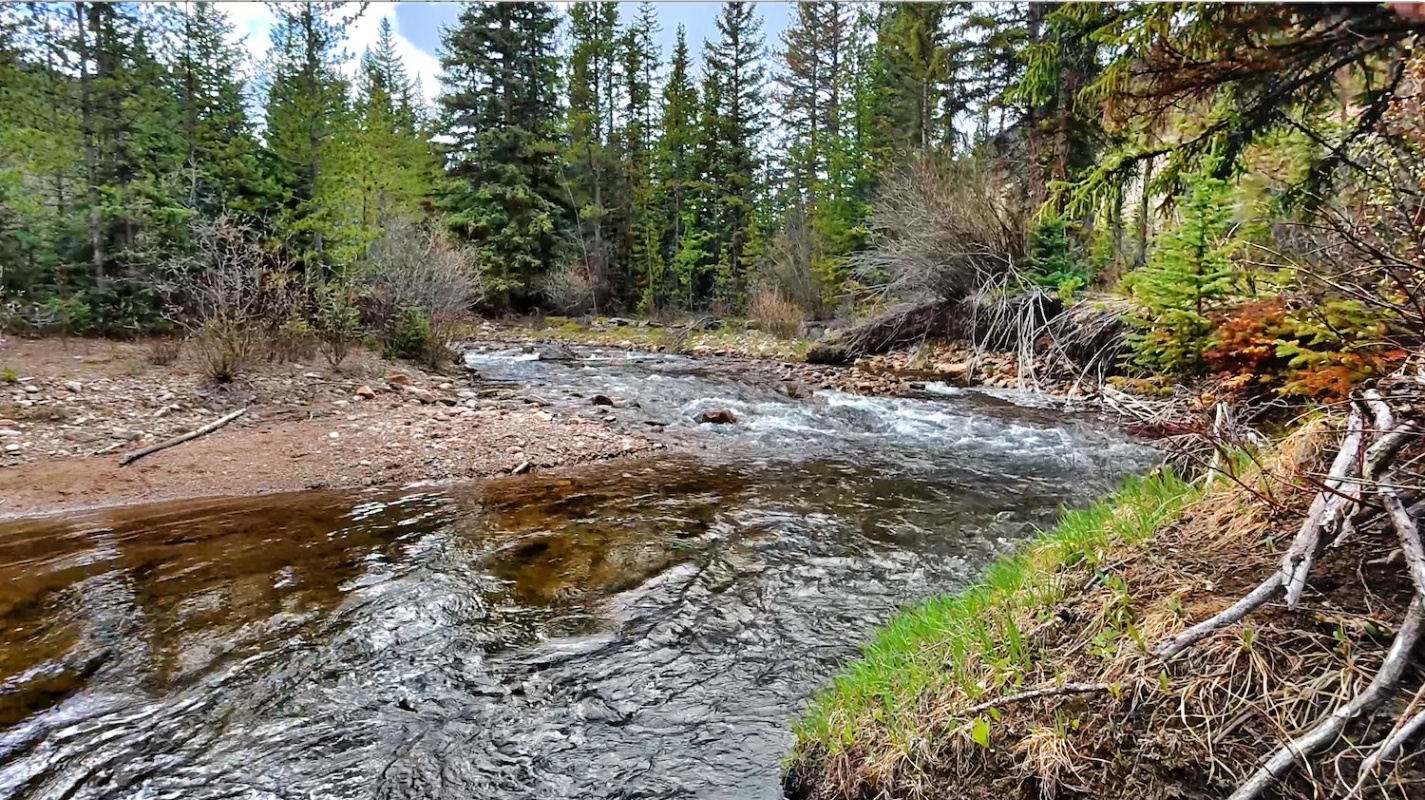
Fish the seams and pockets — In small mountain streams, cutthroat hold in surprisingly subtle spots: behind small rocks, along current seams, and in the soft water at the tail of plunge pools.
Practice catch and release — Native cutthroat populations are fragile. Handle fish gently, keep them in the water as much as possible, and use barbless hooks.
The Joy of "Enough"
One of the most refreshing aspects of a trip like this is redefining what success looks like. A handful of beautiful native fish, each one earned with careful wading and thoughtful presentations, can be more satisfying than a day of non-stop action on a tailwater.
There's something about returning to the same stream each year — learning its rhythms, noticing what's changed, and reconnecting with a landscape that doesn't care about anything except the season. Mid-May in the Colorado high country means runoff is often starting, bugs are beginning to emerge, and cutthroat are waking up and looking toward the surface.
Practical Takeaways
If you're inspired to try dry fly tenkara fishing for native cutthroat, here's a quick summary to get started:
Keep your setup simple — A tenkara rod in the 11–13 foot range covers most small-stream situations.
Carry a few proven dry fly patterns — Elk hair caddis, stimulators, and small parachute Adams patterns are reliable choices for Colorado mountain streams.
Wear polarized sunglasses — Spotting fish before you cast dramatically improves your success rate.
Respect the resource — Native cutthroat habitat is irreplaceable. Tread lightly and leave no trace.
For the full experience — the stunning scenery, the rises, and the beauty of these native fish — check out the video and see exactly how the day unfolded on the water.